

Antalya-hosted forum highlights role of regional ownership in transforming world
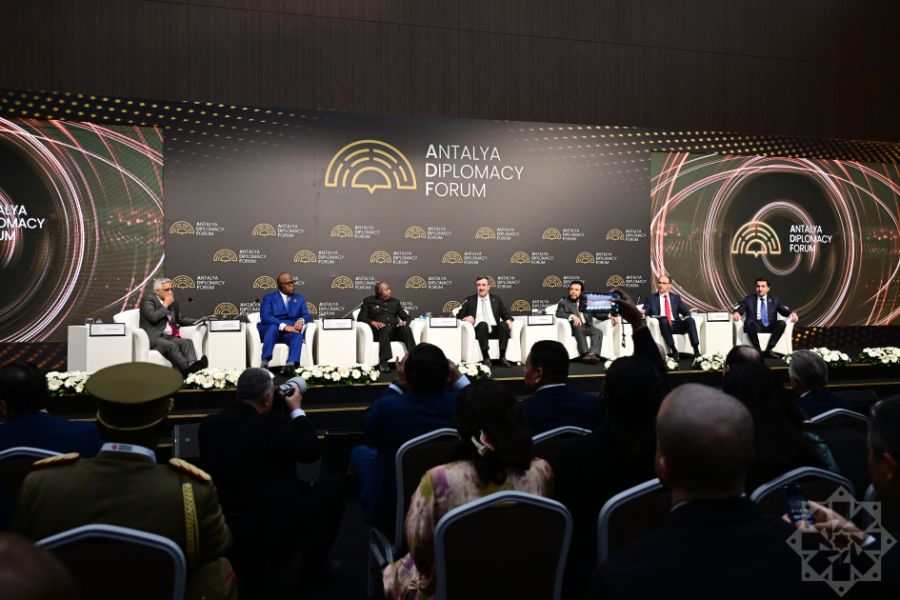
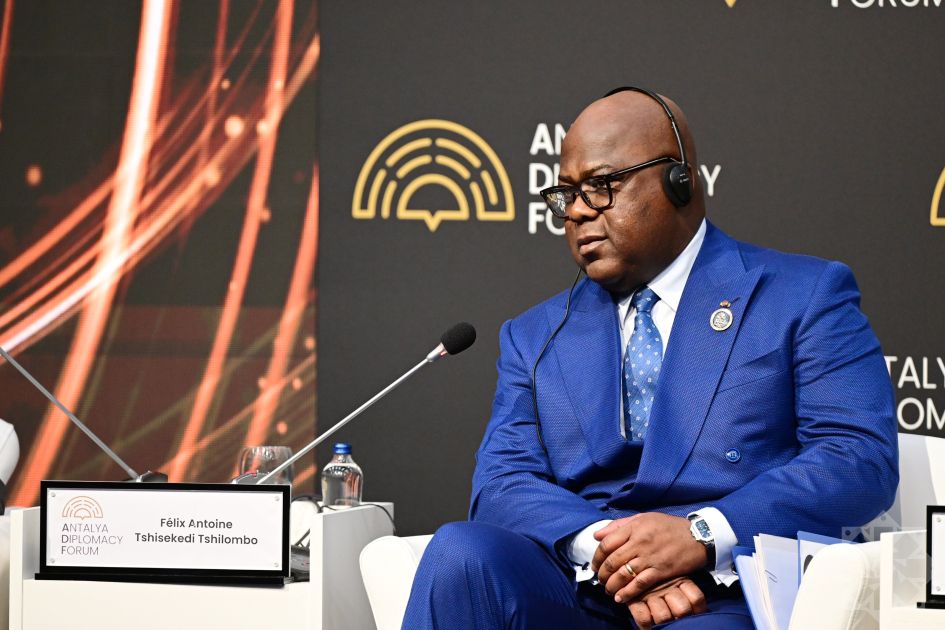
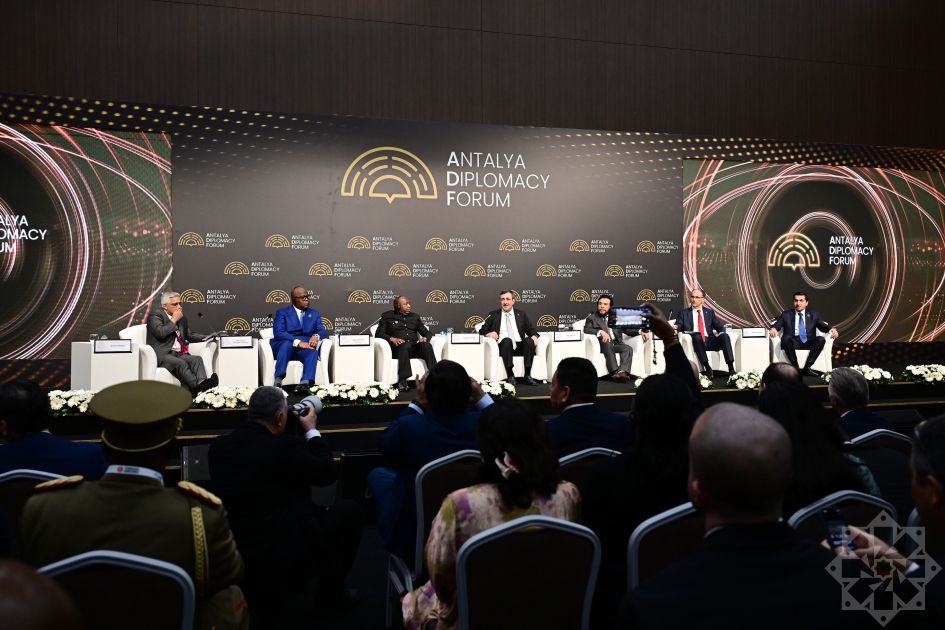
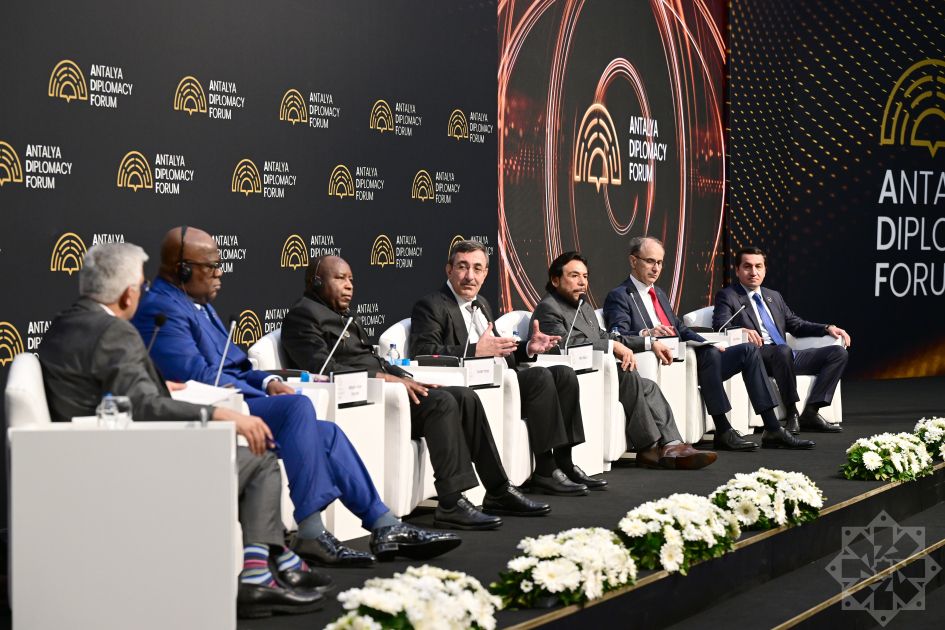
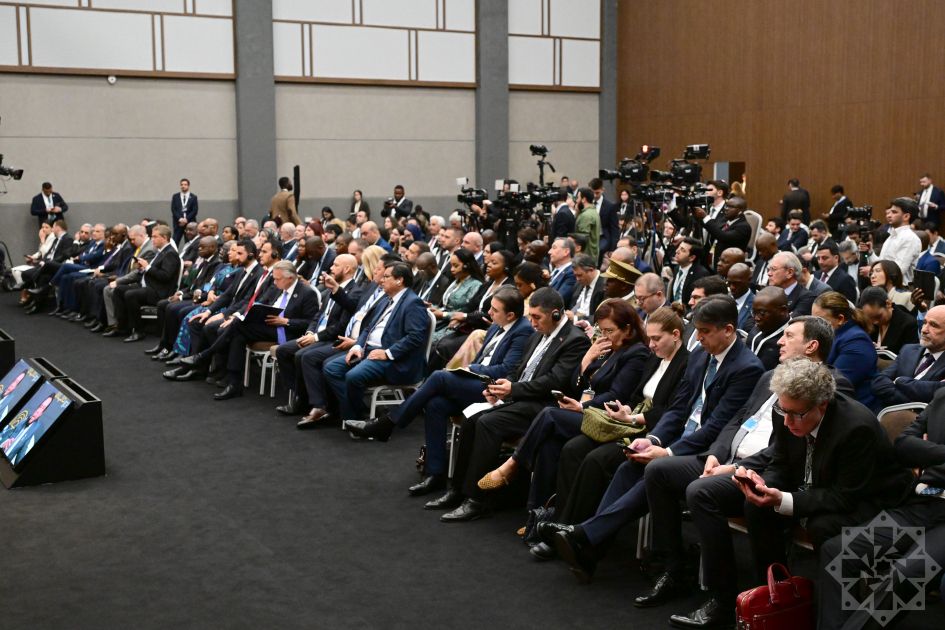
On April 17, a panel session titled “The Role of Regional Ownership in a Transforming World" was held as part of the 5th Antalya Diplomacy Forum.
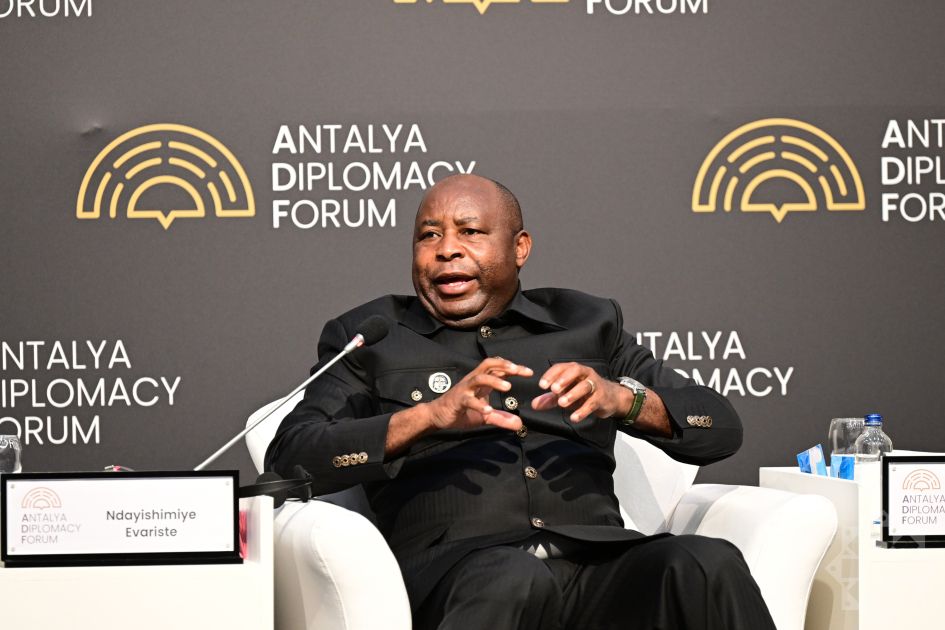
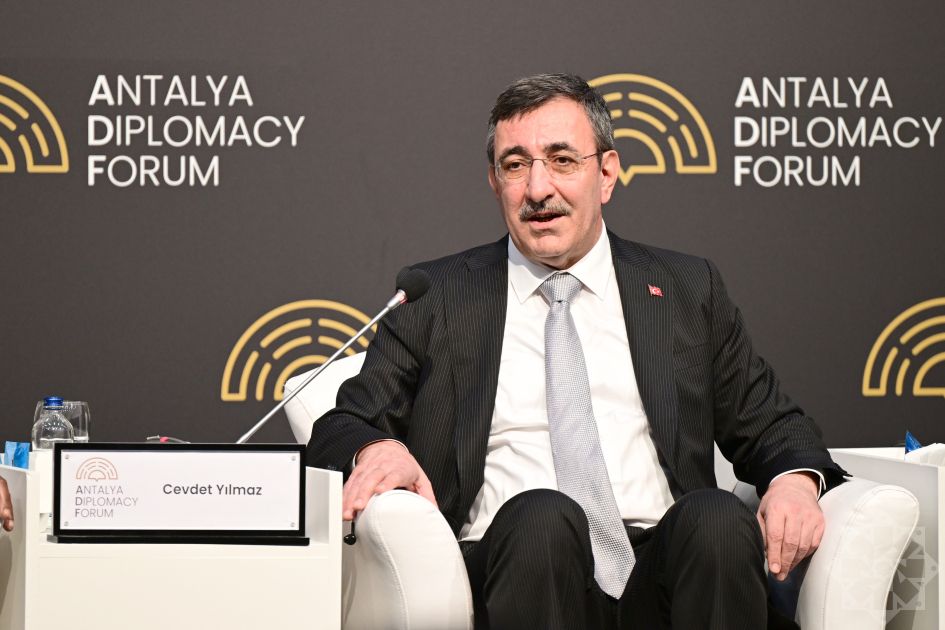
The top speakers included Félix Antoine Tshisekedi Tshilombo, President of the Democratic Republic of the Congo; Ndayishimiye Evariste, Chairperson of the African Union & President, Republic of Burundi; Cevdet Yılmaz, Vice President, Republic of Türkiye; Hikmet Hajiyev, Assistant to the President of the Republic of Azerbaijan and Head of the Foreign Policy Affairs Department of the Presidential Administration; and Félix Ulloa Jr., Vice President, Republic of El Salvador.
In his address, Cevdet Yılmaz, Vice President of Türkiye emphasized that his country prefers diplomacy over conflict, and stability over insecurity. “That is why Türkiye engages in multiple regional cooperation frameworks. It is a member of NATO and EU candidate country, while also supporting initiatives like the Organization of Turkic States (OTS), expanding cooperation among Islamic countries, and strengthening regional security structures,” he mentioned.
Noting that Türkiye prefers dialogue over conflict, Cevdet Yılmaz said that wars benefit no one while a just peace benefits all. He outlined two paths—one of instability and loss, and another of stability through diplomacy—and said Türkiye will keep communication channels open and expand cooperation across Africa, Asia, and Latin America to improve global conditions.
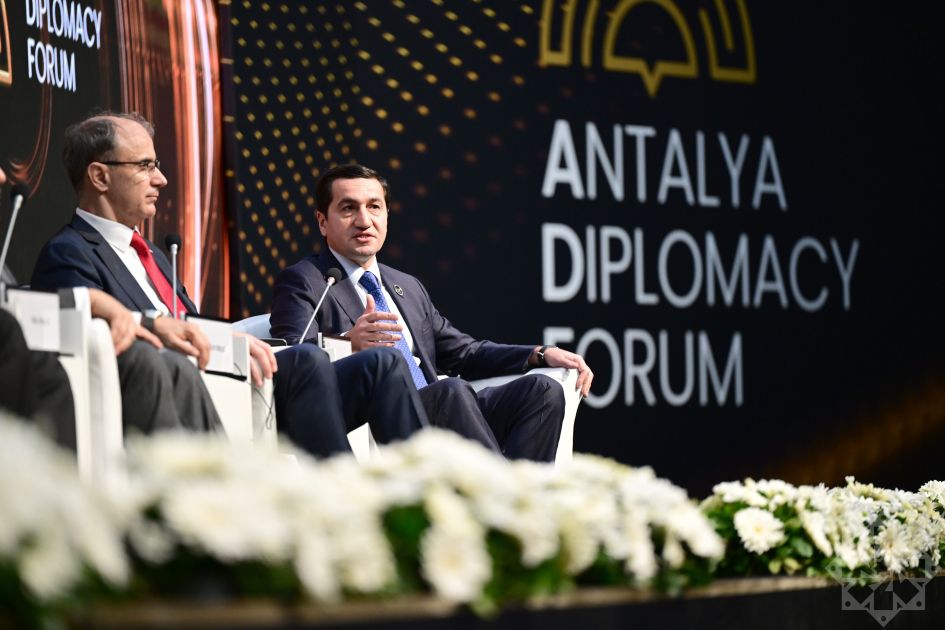
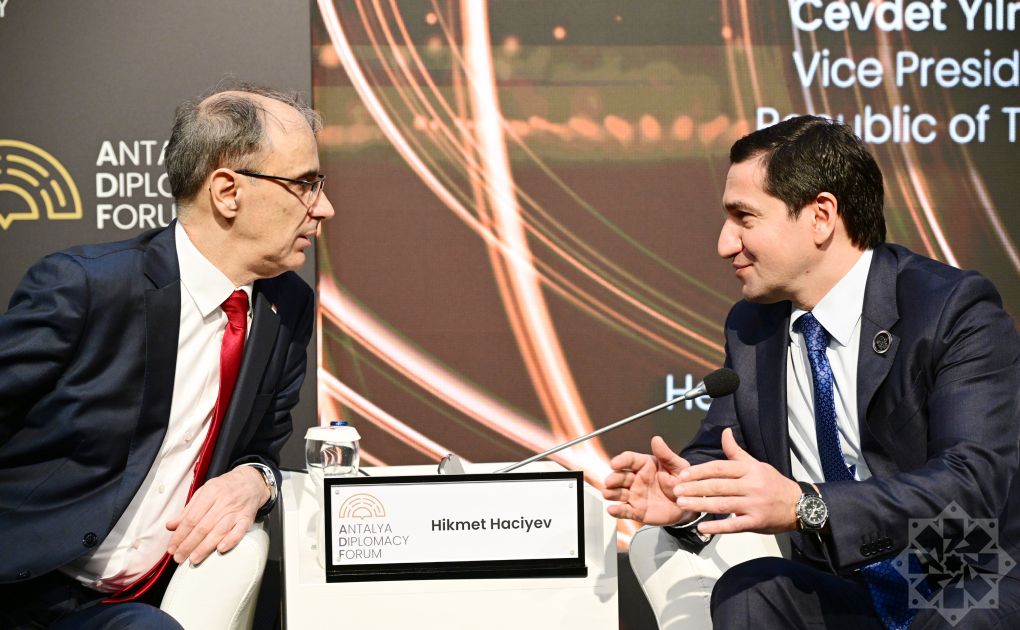
In his remarks, Hikmet Hajiyev, emphasized that the energy projects implemented at Azerbaijan's initiative not only serve global energy security today but also ensure the interests of regional countries.
Emphasizing that the resolution of the Armenia-Azerbaijan conflict holds special regional significance, the President's Assistant stated that Azerbaijan has demonstrated leadership in this process and that the conflict is now a thing of the past. Azerbaijan has fully restored its territorial integrity and sovereignty through political, military, and military-political means.
“The fundamental principles and core pillars of regional ownership for Azerbaijan mean addressing regional challenges and problems ourselves, together with our like-minded partners in the region. First and foremost, we must establish our own order rather than waiting for others to come and fulfill missions in our region. This is one of the fundamental issues,” the Assistant to the President underscored.
“For us, regional ownership also consists of core principles. One of these is a genuine common responsibility for regional issues. To this, regional leadership must be added. This also includes regional cooperation and integration. All these components come together to shape our mission of regional ownership.
We certainly employ diplomacy and dialogue. This can occur at bilateral, trilateral, or even quadrilateral levels. At the bilateral level, one of the crucial components is security, as security is paramount for every country and every region. We are currently living in an era where security is lacking on a global scale,” he stated.
Noting that Türkiye–Azerbaijan bilateral cooperation is one of the vital pillars of regional peace and security, Hikmet Hajiyev said: “Türkiye-Azerbaijan cooperation rose to the level of an alliance with the 'Shusha Declaration' signed by our leaders. We did not stop there. We transformed bilateral cooperation into a trilateral model, thereby implementing full regional ownership. In this regard, there is Türkiye–Azerbaijan–Georgia cooperation and Türkiye–Azerbaijan–Iran cooperation, and we have also reached out to our brothers in Central Asia. We have established practical cooperation mechanisms in trilateral or multilateral formats, which serve the interests of all parties.”
Other distinguished speakers stated that amid growing fragmentation in global governance, innovative approaches are essential, and regional ownership is increasingly vital in addressing shared challenges and delivering practical solutions.