

The First State–Business Cooperation Forum Held in Azerbaijan
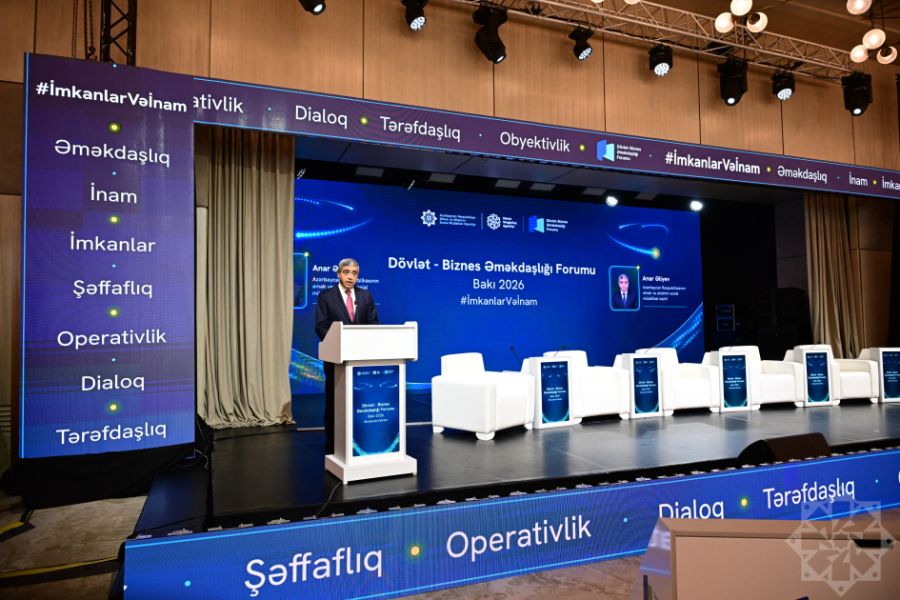
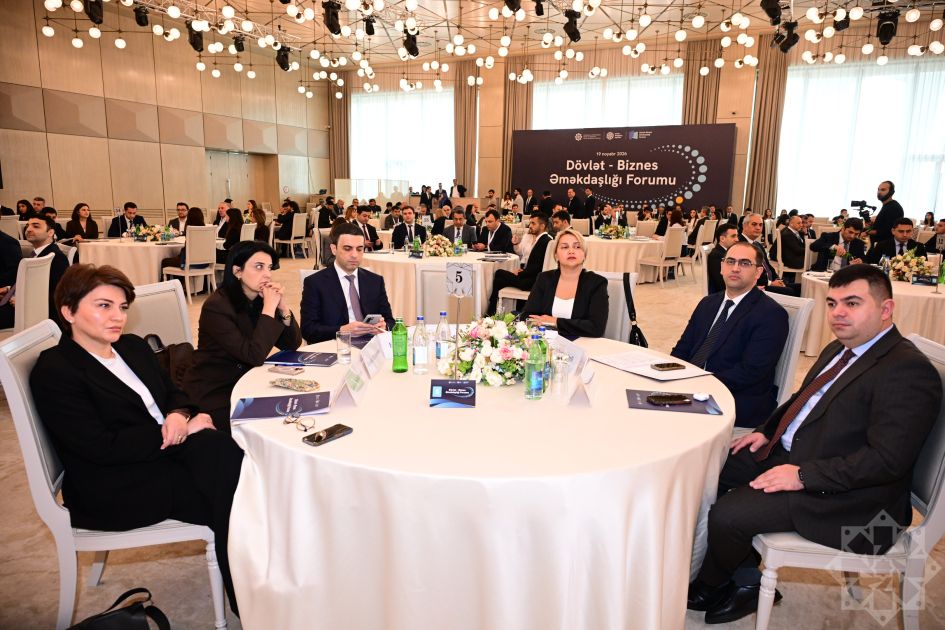
Organized by the State Employment Agency under the Ministry of Labour and Social Protection of Population within the framework of "Employment Week," the first State–Business Cooperation Forum in our country has been held.
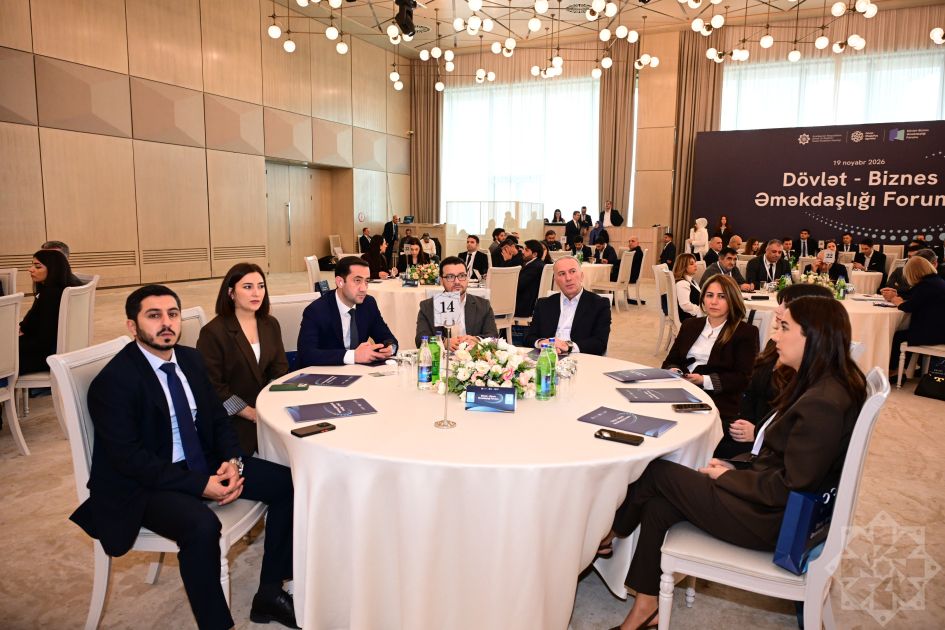
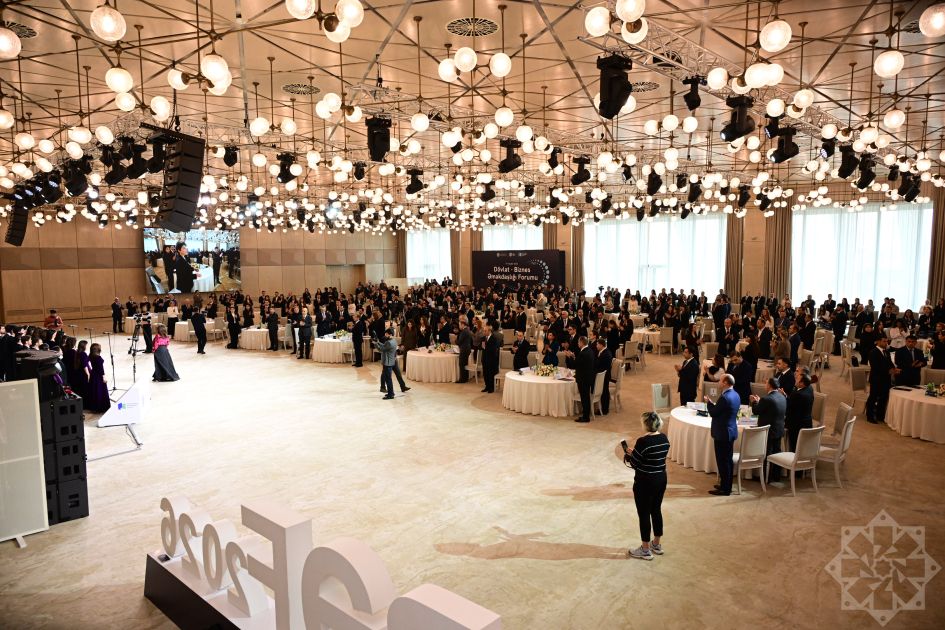
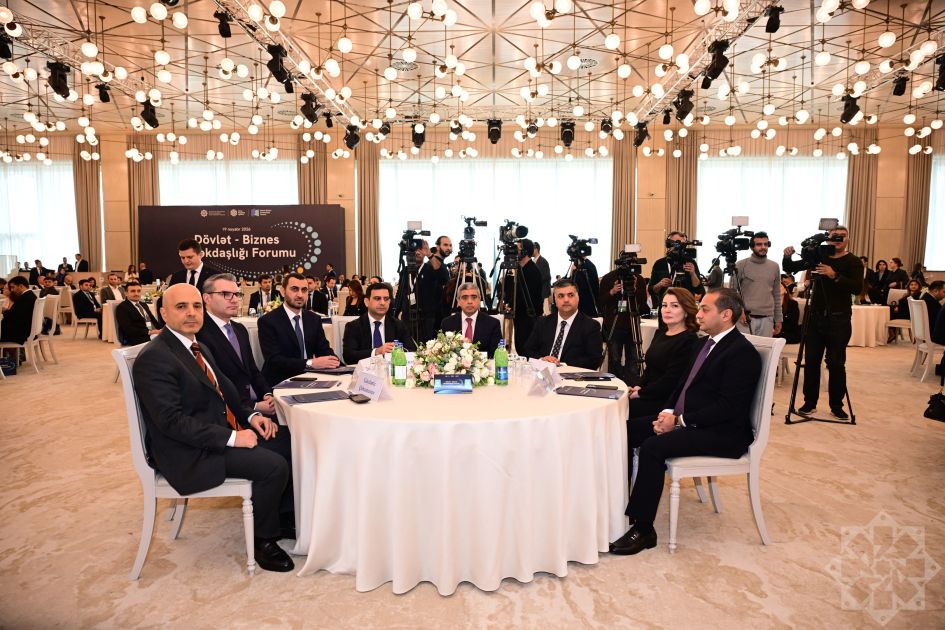
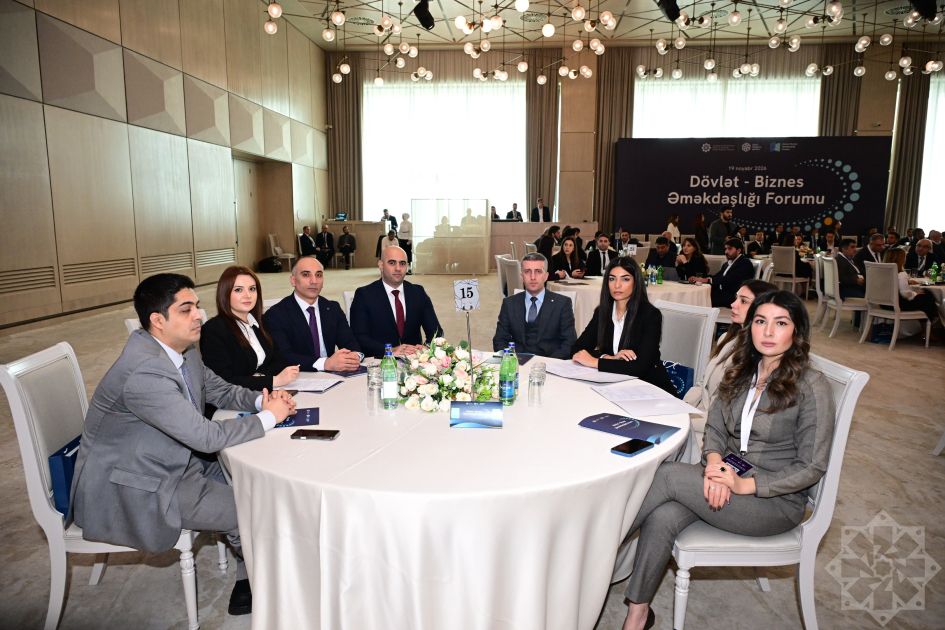
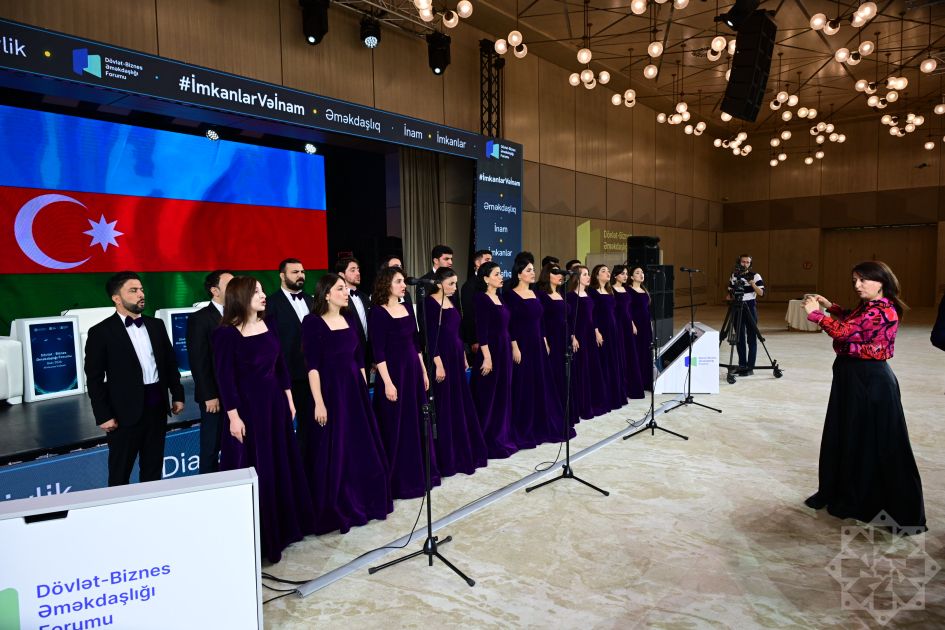
AZERTAC reports that the opening of the event, held at the "Gulustan" Palace under the motto "Opportunities and Trust," was attended by government officials, social partners—including representatives of the private sector—and representatives of civil society institutions.
The forum aimed to strengthen direct dialogue between state bodies and the private sector in the field of labour and employment, further increase mutual trust, create new partnership opportunities, raise business entities' awareness of state support mechanisms, existing incentives, and promotion tools, and identify joint solutions by discussing pressing issues in the labour market.
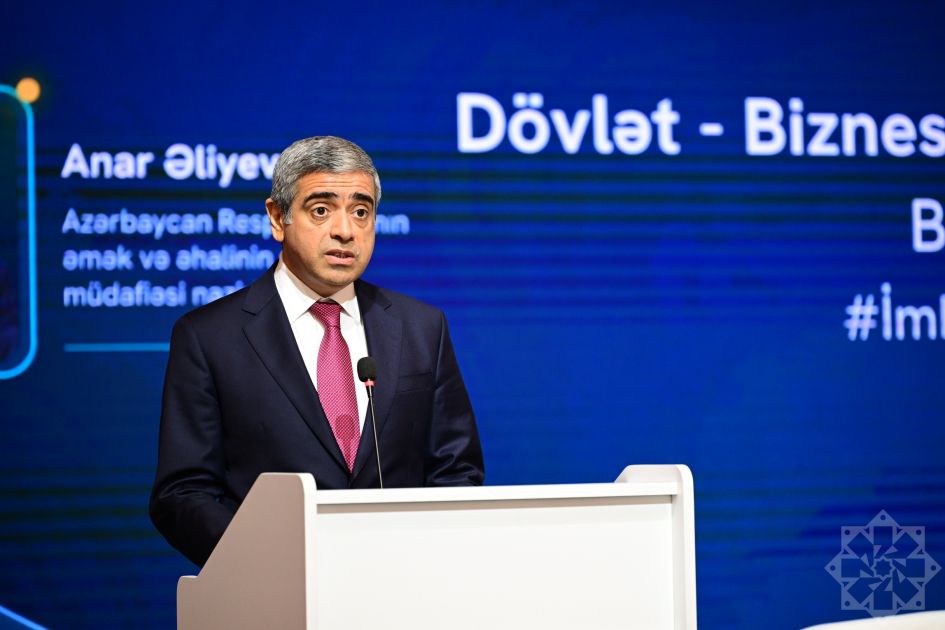
Speaking at the official opening ceremony, Minister of Labour and Social Protection of Population Anar Aliyev noted that within the framework of social reforms implemented in recent years under the leadership of President Ilham Aliyev, state employment policy has also gone through a significant period of reform aligned with modern challenges in the labour market. He highlighted the role of employers in ensuring employment for the population and noted that the ministry has achieved stronger cooperation with employers by building relations with them largely on a service model.
Drawing attention to active employment programmes organized together with employers, the minister stated that in recent years the annual number of people placed in jobs has increased 3.4 times, those involved in the self-employment programme 5.7 times, those involved in vocational training 4.1 times, those placed in jobs under quotas 2.6 times, and those involved in the wage co-financing programme 3.5 times.
Anar Aliyev noted efforts to reduce informal employment, stating that in the first 10 months of this year, the number of employment contracts in the private sector increased by 59,000 compared to the same period last year. He emphasized that in state oversight of compliance with labour legislation, the ministry places importance on developing social dialogue with employers and providing methodological support to business, which is also confirmed by recent amendments to labour legislation.
At the event, social partners actively participating in the implementation of employment programmes for vulnerable groups were awarded. Awards were presented to 5 private social partners for their significant contributions to ensuring employment for youth and women, war veterans, members of martyrs' families, and persons with disabilities.
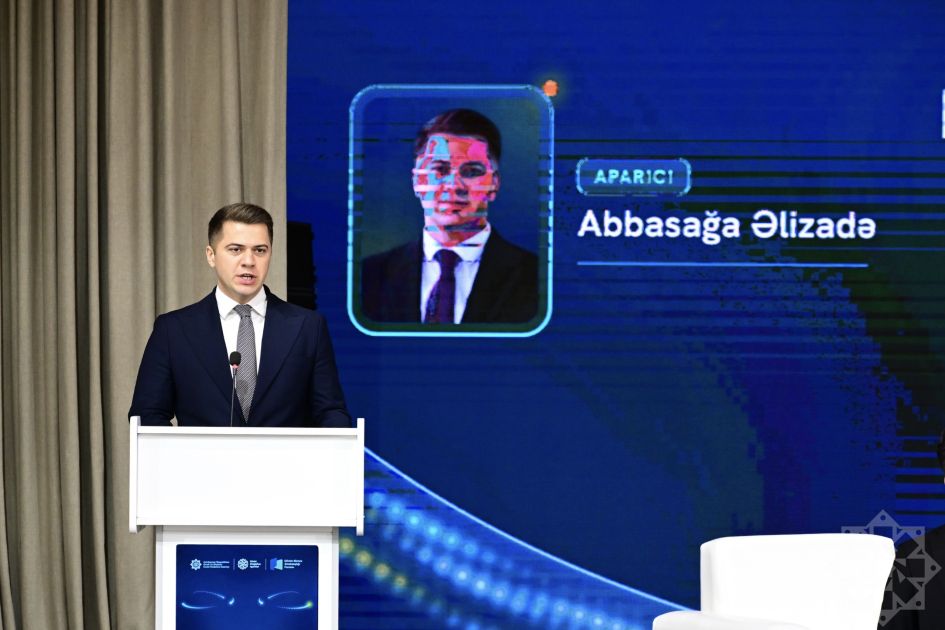
Within the framework of the forum, panel discussions were held on "Employers' Expectations, State Support and Cooperation Opportunities," "Activities of Institutions, Cooperation with Employers and Pressing Issues of the Labour Market," and "The Role of Business Associations in the Labour Market, Social Responsibility and Joint Initiatives."
The panels discussed employers' expectations regarding the labour market, support and incentive mechanisms offered by the state to business entities, areas of cooperation between state bodies and employers, current challenges in the labour market, the role of business associations in promoting employment, social responsibility, and opportunities to expand state–business partnerships.
Similar news