

The Cult of the Warhorse and Steel: How an Exhibition in Baku Revives the Hippic Genre
Exclusive Commentary by the Bakuinform.az Analytical Group
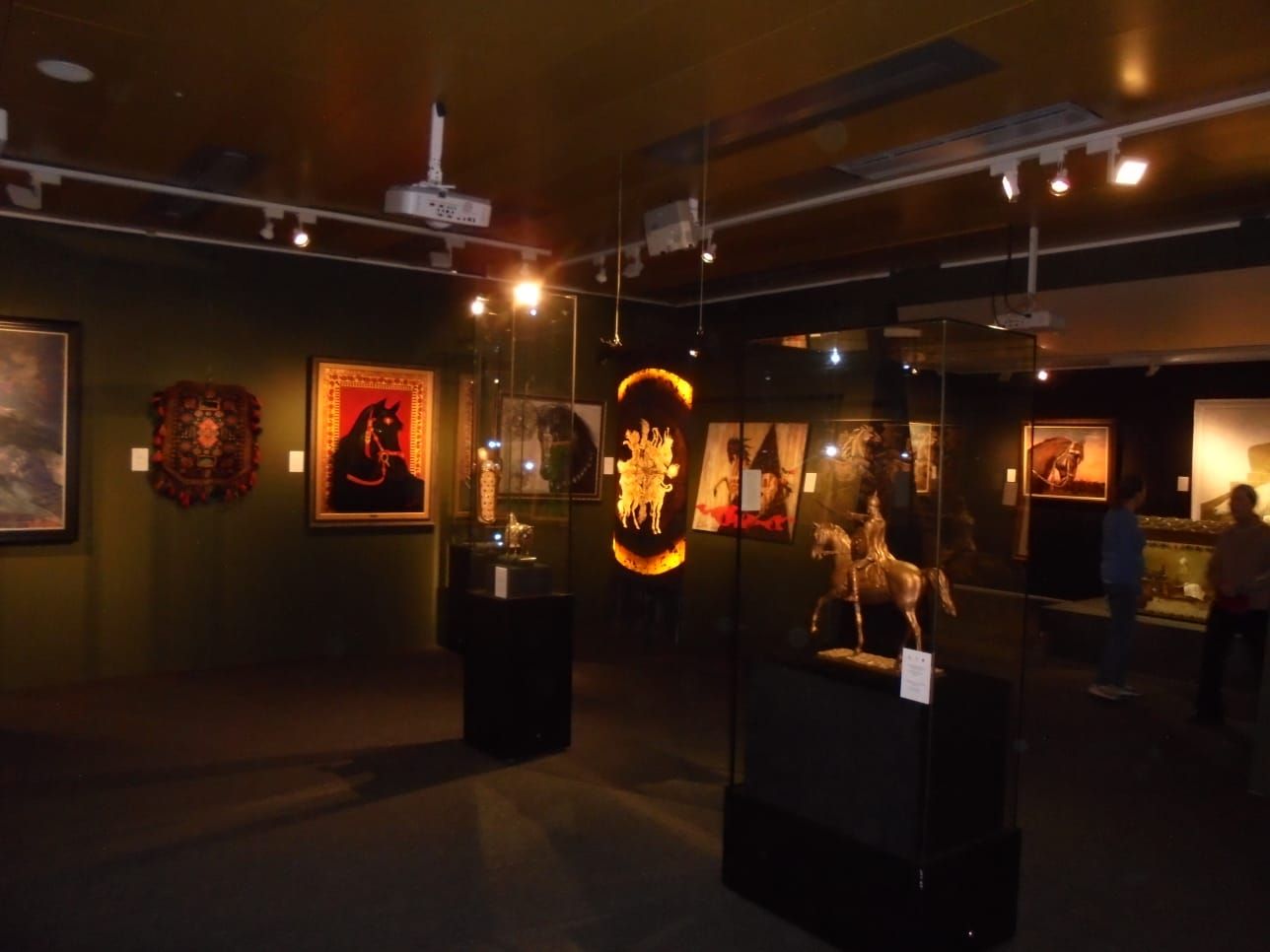
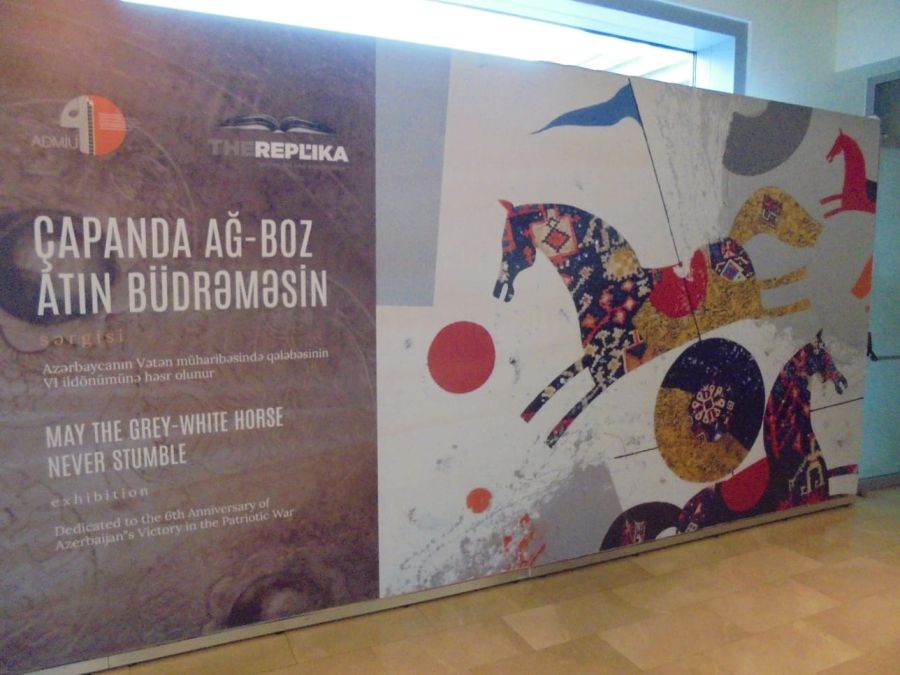
Baku's cultural life at the intersection of October and November demonstrates high dynamics. The abundance of notable exhibitions suggests the formation of a true "competition of exhibition halls and museums"—a phenomenon crucial for the development of cultural tourism. Against this background, the exhibition on the ground floor of the Azerbaijan National Carpet Museum stands apart. Dedicated to the sixth anniversary of the Victory in the Second Karabakh War, the exposition combines two sacred elements of national culture: the cult of cold weapons from private collections and the cult of the warhorse.
For Baku, this is a milestone event, as projects of this scale are held in the country for only the second time. Meanwhile, in Central Asian states (such as Kazakhstan and Turkmenistan), similar exhibitions are annual, attract a wide audience, and are traditionally included in the itineraries of official foreign delegations. For the countries of Asia and the Arab world, displaying the qualities of a horse is a manifestation of strength and energy, reflecting the national character.
Heritage of the Epochs: History of Azerbaijani Horse Breeding
Azerbaijan is one of the oldest cradles of horse breeding. Rock paintings in Gobustan prove that the horse has been a companion to humans in these lands for thousands of years. The pinnacle of national selection was achieved in two unique breeds:
* The Karabakh Horse (Kokhlan): Known for its endurance, grace, and unique golden-chestnut coat ("sarilar"). In the 19th century, a Karabakh stallion named Khan won acclaim at the World Exhibition in Paris (1867). The breed also secured a place in high diplomacy: in 1956, the stallion Zaman was presented to British Queen Elizabeth II, initiating a tradition of gifting Karabakh horses to the British Royal Family.
* The Dilboz Breed: Bred in the west of the country (Gazakh, Tovuz, and Agstafa regions). This is the ideal pack-and-riding horse for rough terrain, valued for centuries for its hard hooves and tirelessness during long marches.
In the national epics "Kitabi Dede Gorgud" and "Koroglu," the loyal horses Gyrat and Durat were endowed with human qualities—loyalty, intelligence, and courage—standing alongside heroes in battles. The cult of the horse also shaped military-sporting traditions, chief among which is Chovgan, the ancestor of modern polo, included in 2013 in the UNESCO List of Intangible Cultural Heritage.
From Ancient Traditions to Modern Festivals
Today, Azerbaijan's equestrian culture is showcased globally through major international platforms. The annual National Equestrian Festival, held in various regions of the country, gathers thousands of spectators and foreign experts. International Chovgan tournaments for the President's Cup of Azerbaijan hold a special place, attracting teams from Europe, Central, and South Asia.
In parallel, the state is restoring infrastructure in the liberated territories: the Agjabadi horse breeding farm and the historical stud farm in the Eyvazkhanbeyli village of the Agdam district are being modernized. The exhibition at the Carpet Museum harmoniously fits into this context of returning to the roots, linking the historical image of the warhorse with the great modern Victory.
Revival of the Hippic Genre
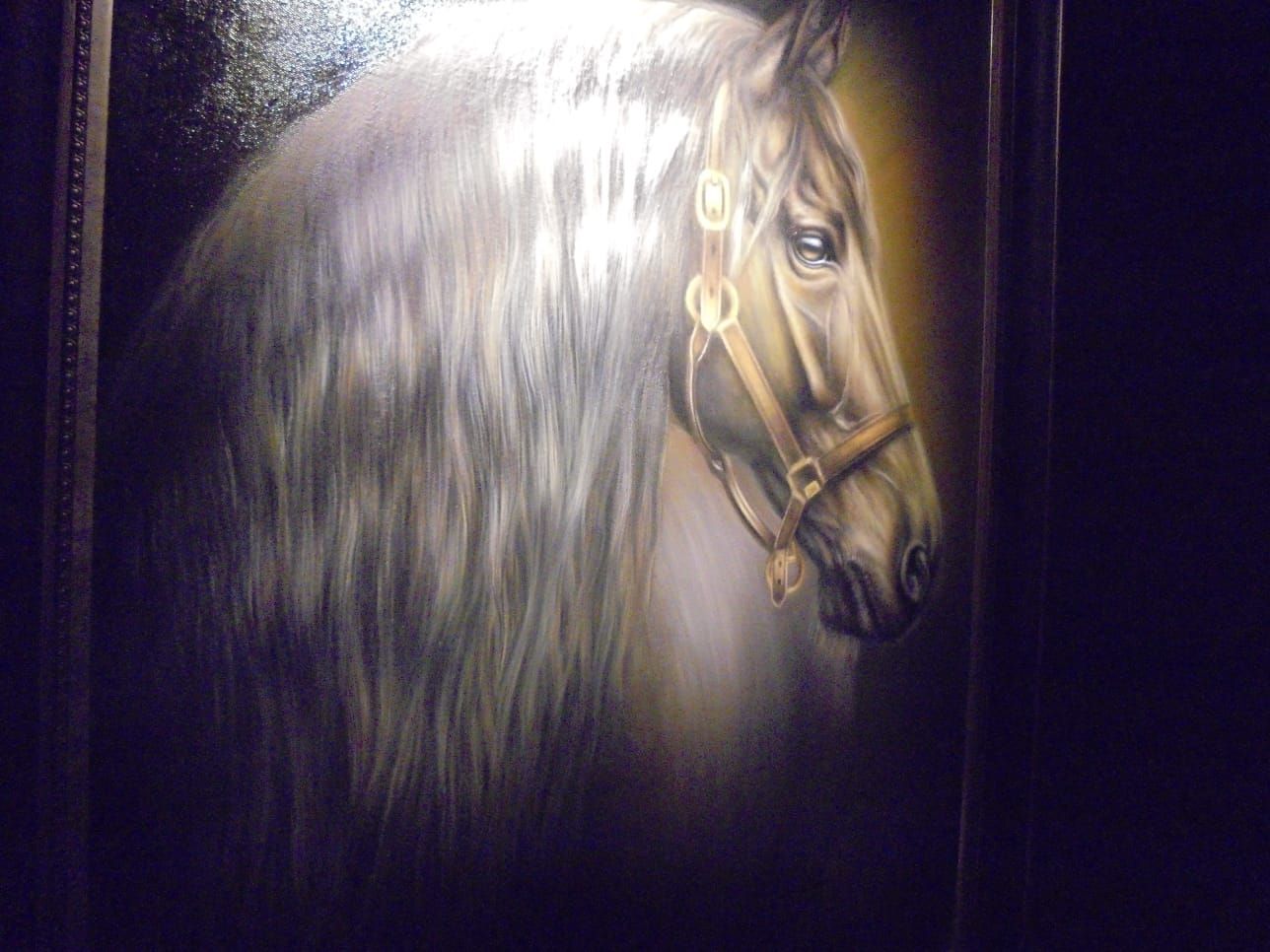
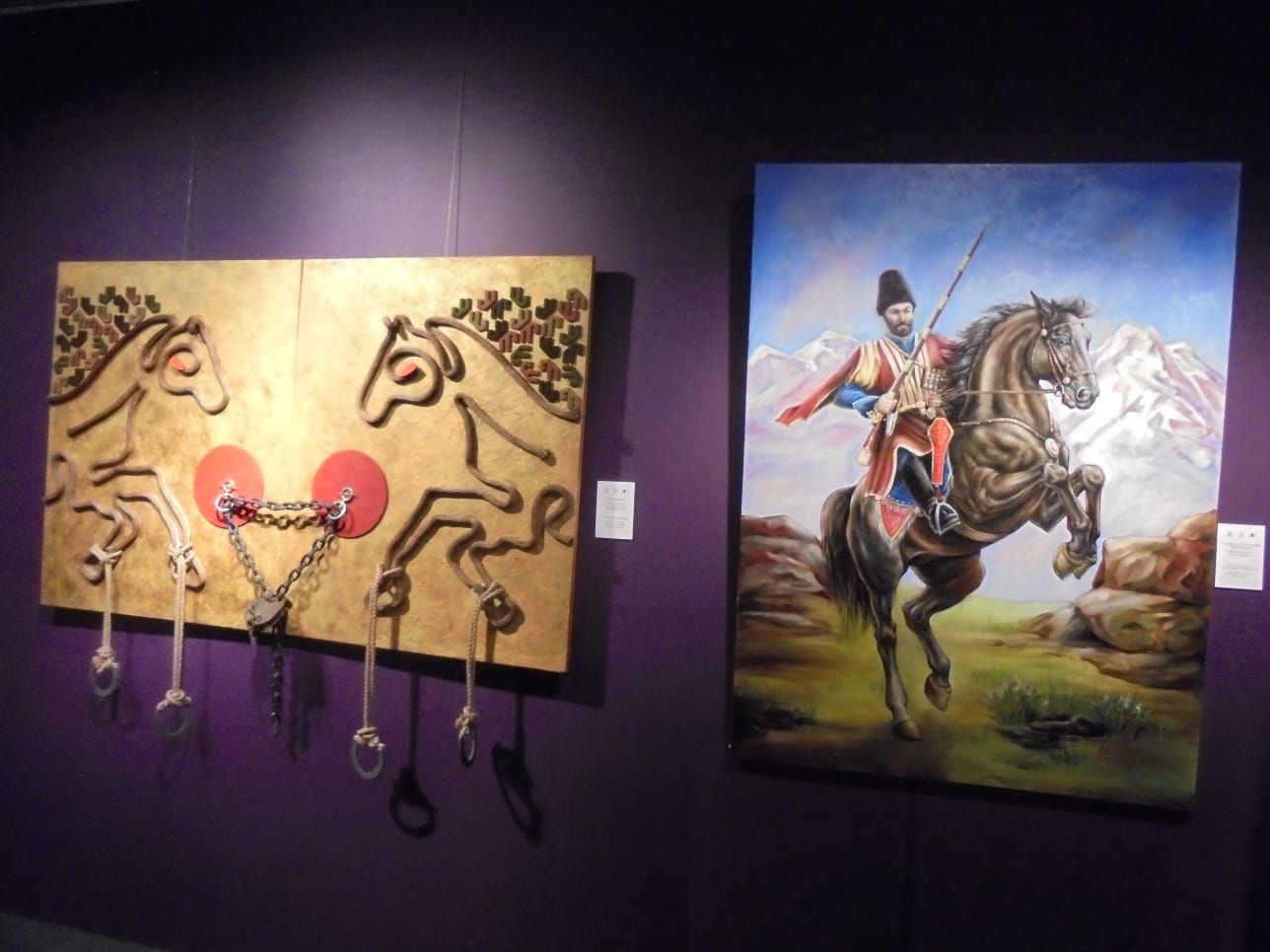
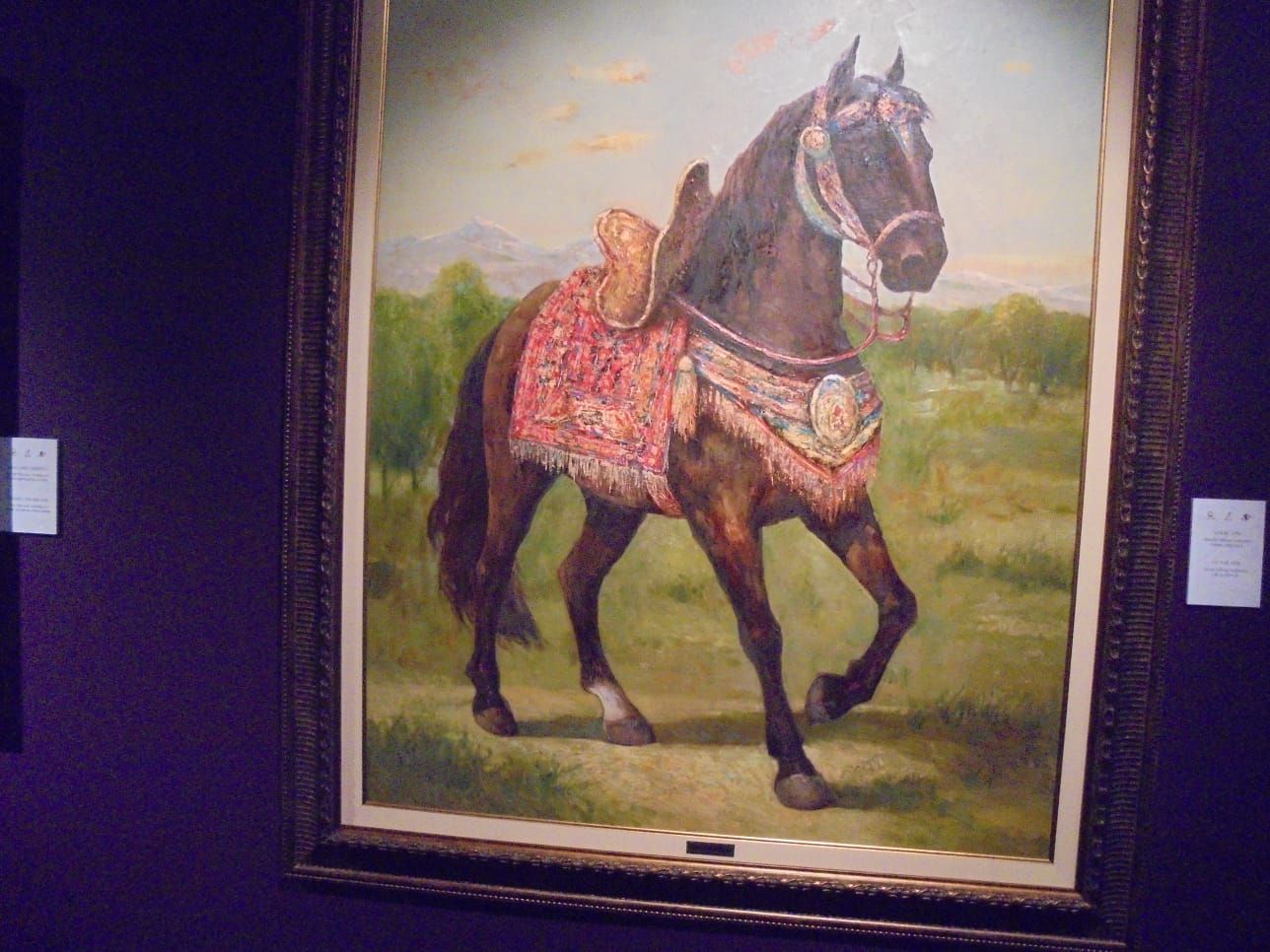
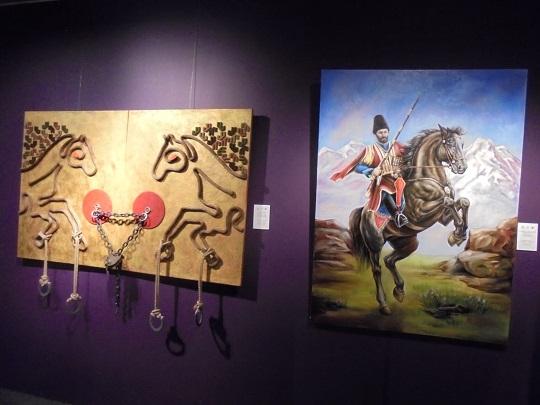
The exposition gives impetus to the development of the hippic genre (from the Greek hippos—horse) and battle painting in local art. In European art, this direction has flourished for over a thousand years: portraying rulers and commanders on horseback has always defined their grandeur and status. Great masters worked on equestrian scenes—from Leonardo da Vinci to classics of animalism and battle art like Jan Wyck, Richard Woodville, Wolfgang van Celler, Albrecht Bürde, Jan van Stoff, and Charles van Imsoot.
Bakuinform.az analysts believe that the potential of this initiative by the Ministry of Culture can be expanded. In the future, it would be practical to hold such exhibitions jointly with specialists from the Equestrian Federation of Azerbaijan under the Ministry of Youth and Sports. Synthesizing painting and sculpture with dynamic modern content—professional photos and videos from the Federation's equestrian festivals and Chovgan championships—will elevate the battle genre to a new level.
Summary
The exhibition at the Carpet Museum clearly demonstrates the high potential of temporary expositions. Given the deep connection of the theme with the nation's mentality, this platform has every reason to eventually transition into a permanent exhibition in one of the country's leading museums as it enriches with new exhibits.
The exhibition runs until November 15, serving as an excellent occasion for a family visit to experience the aesthetics where the steel of the blade meets the nobility of the national horse on the eve of Victory Day.